Behind the Design: Jenny Talks Trends in Residential Design
At Tangram we are not defined by trends, rather we follow how the design world influences the creation of new products and the re-emergence of styles. From attending furniture fairs to reading design articles, our perspectives are widened. Whilst there are trends that are very much international, some are not so relevant to our design corner. Whether it’s a cosy cabin in the Highlands or elegant dining room in Edinburgh, we focus on understanding our clients design and lifestyle preferences allowing us to transform their visions into something timeless and personal.
We caught up with interior designer Jenny for a conversation about the trends she has seen in residential interior design this past year.
Have there been specific colours or materials that your clients were drawn to in their residential interior design projects?
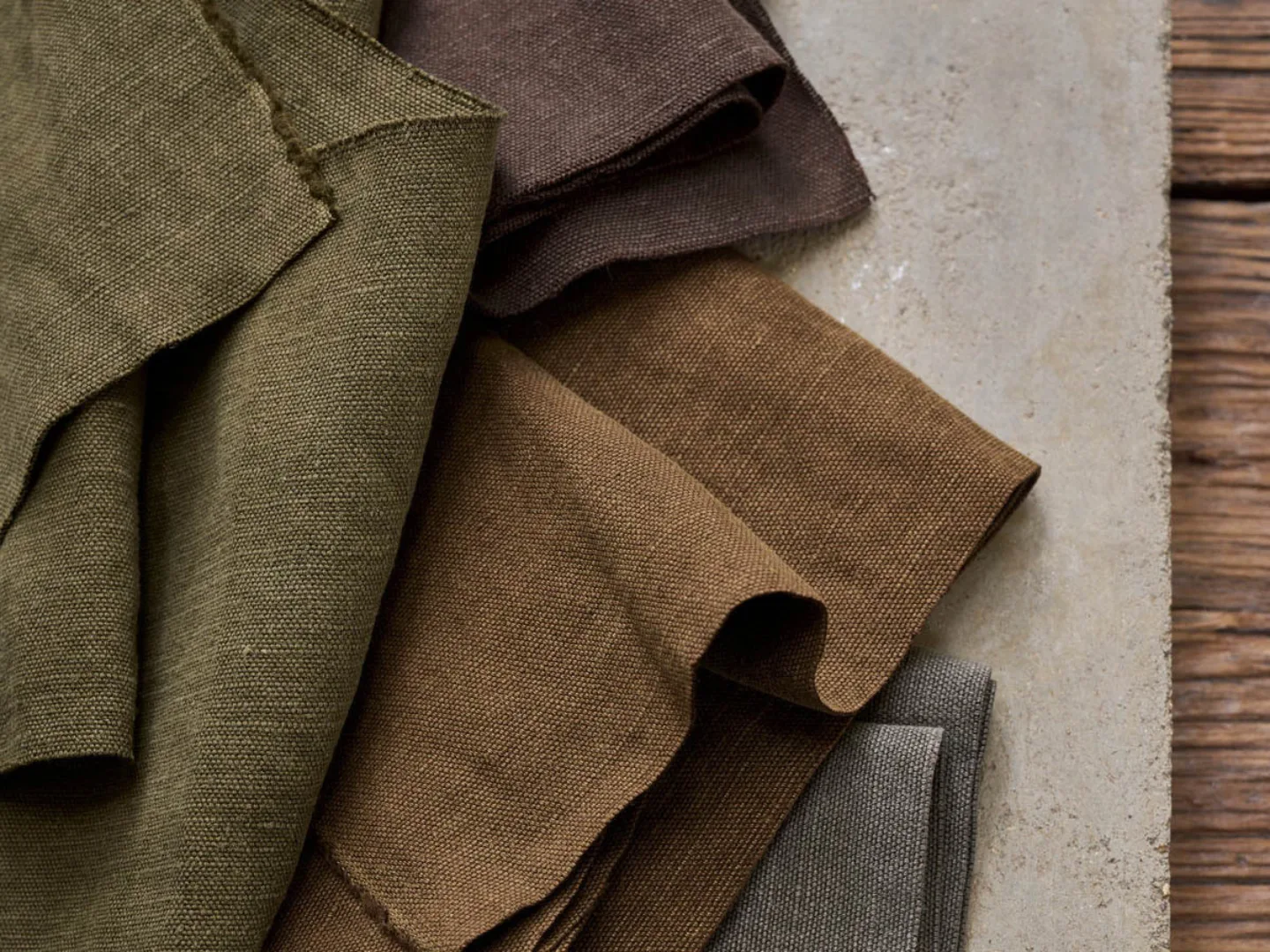
Last year texture and warm, earthy tones have continued to dominate over patterns and strong, bright colours. Earthy tones are favoured for their soft and neutral qualities that range from rich browns to soft terracotta and natural greens.
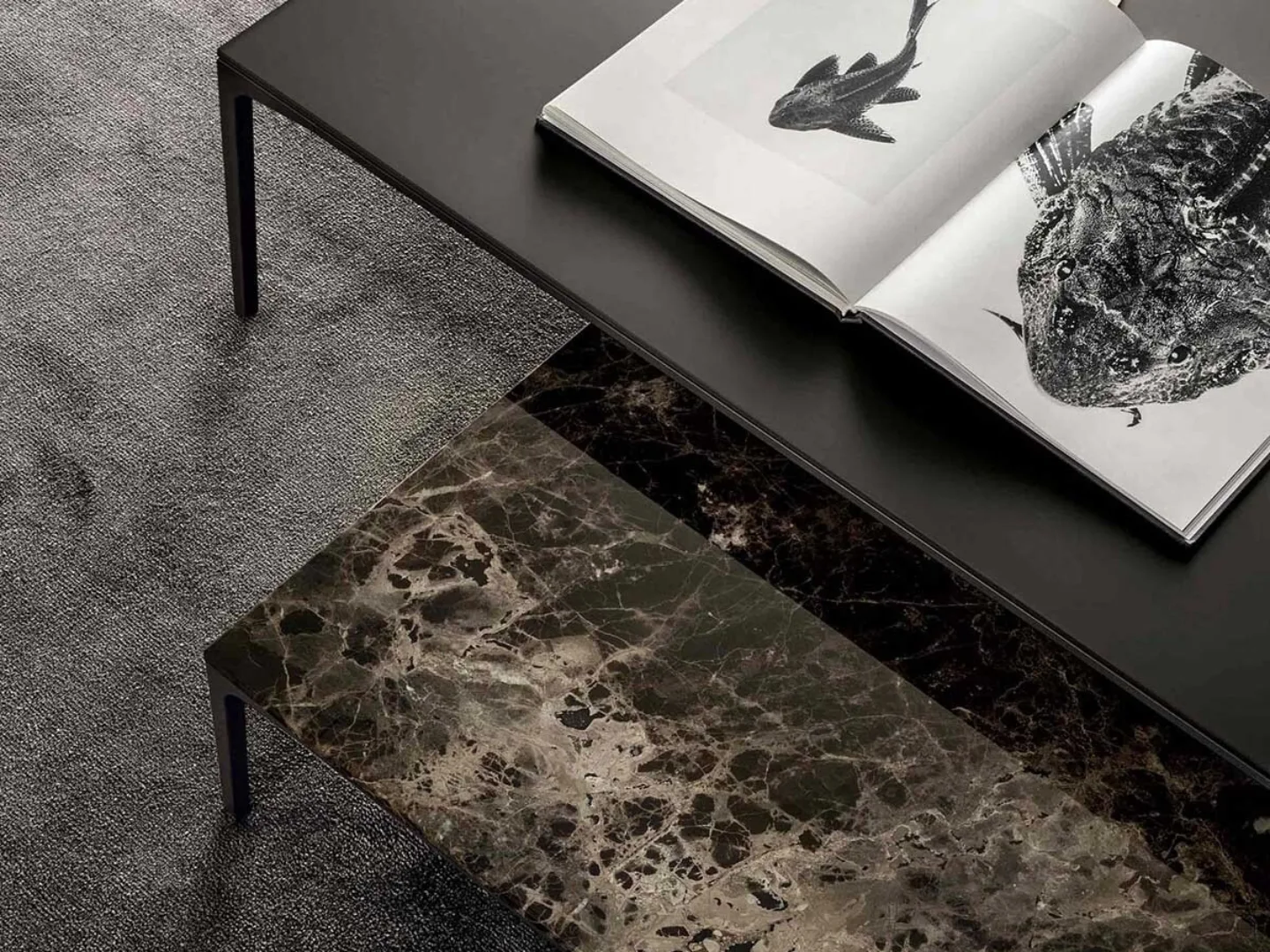
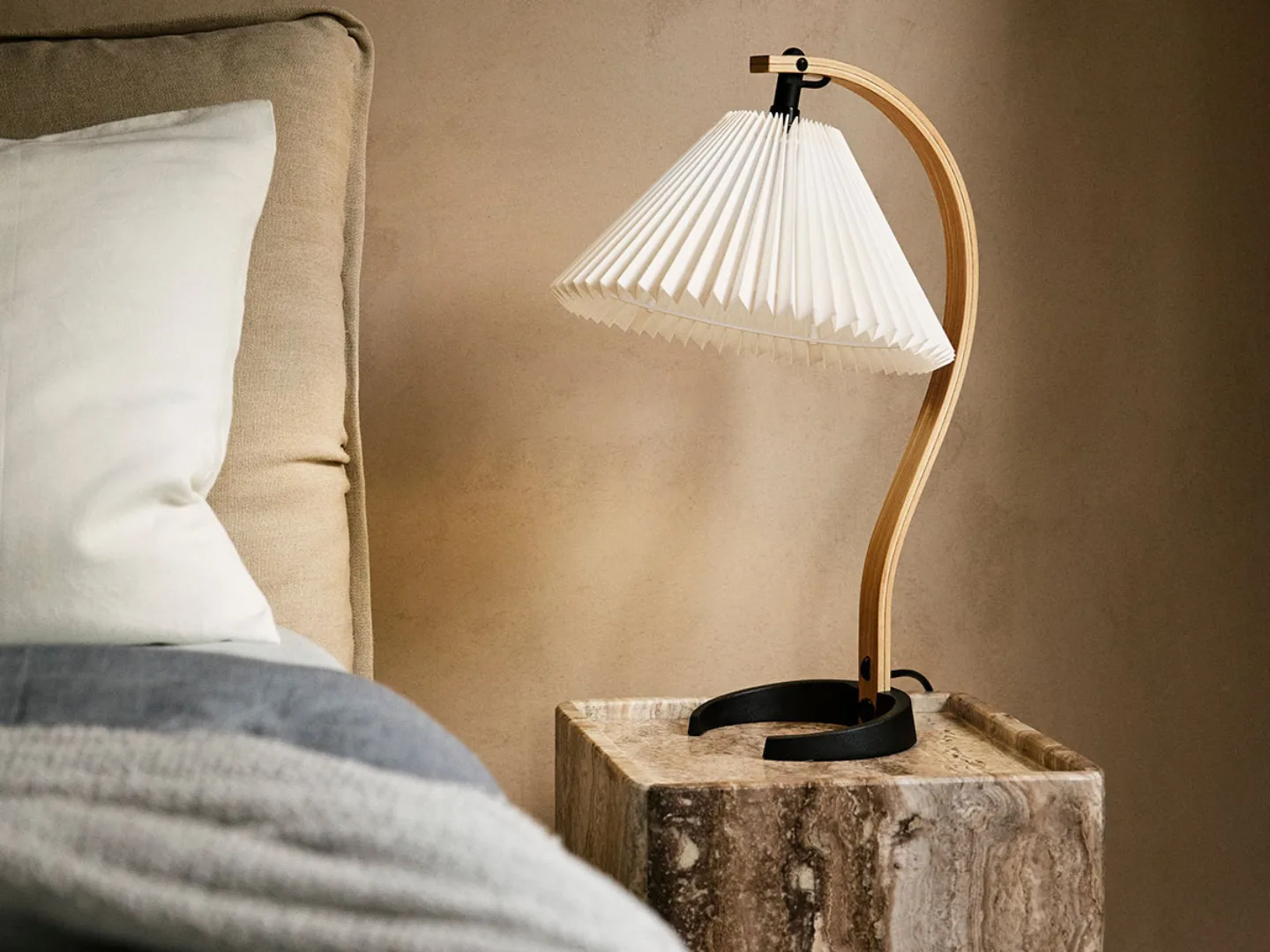
Brown Emperador marble and travertine have been preferred over the classic Calacatta and Nero Marquina for their elegant and warm veining. Ranging from deep to creamy browns, Emperador not only adds a new depth of style but has the benefit of hiding stains – perfect for when you forget a coaster for your morning coffee or evening glass of wine. If clients still want the warmth of browns but are afraid to go dark, travertine offers a great solution with its blend of brown, beige, and grey.
Inspiration from the past is common in the world of design, was there a period of style that you saw re-emerge last year?
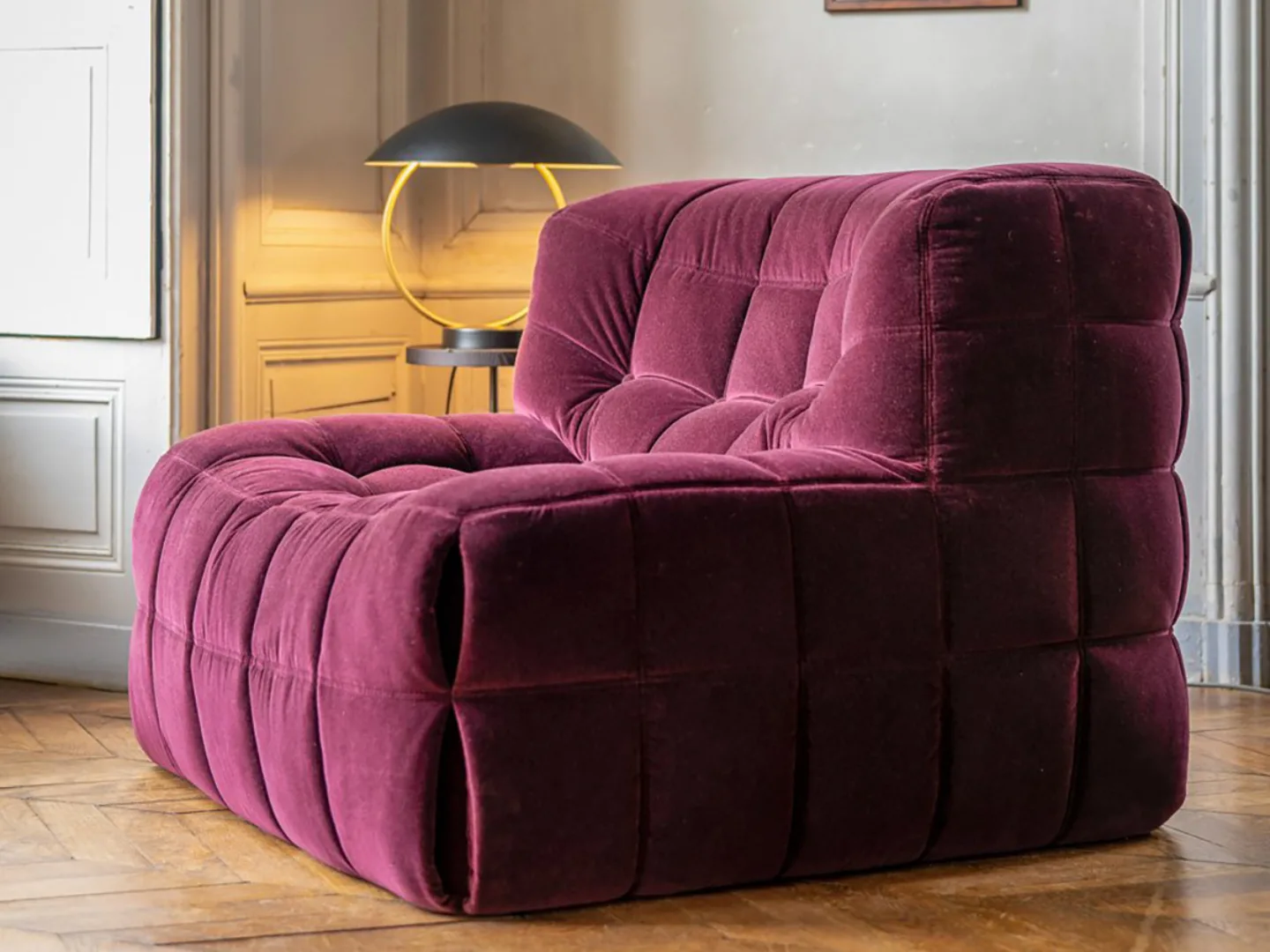
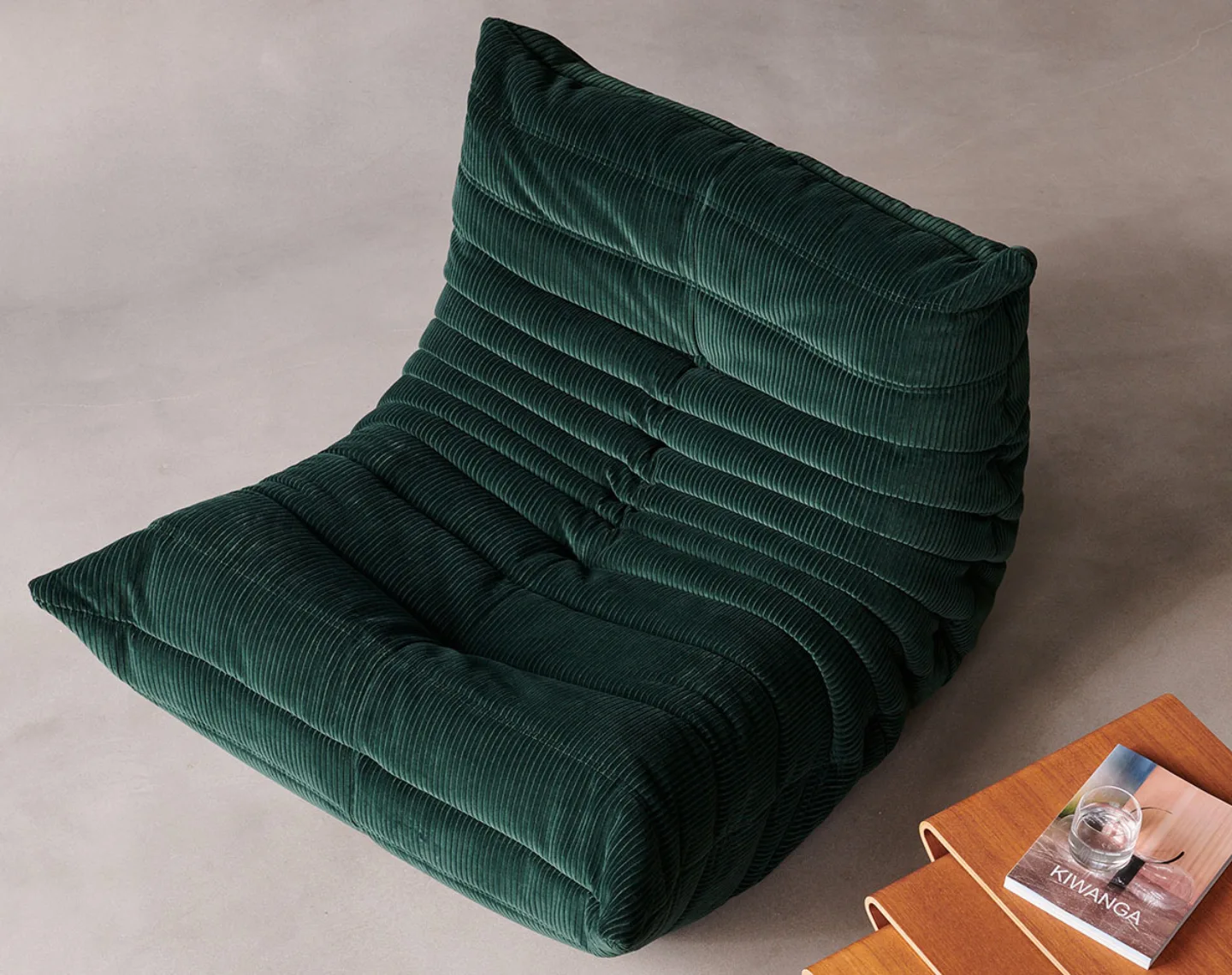
The style of 1970’s has made its way back into our homes as it reflects today’s lifestyle. It was a time of originality, expression, and slowing down. The reintroduction of low-slung sofas offers a distinct style that doesn’t compromise on comfort but intends for hours of relaxing and lingering conversations. Designed by Michel Ducaroy for Ligne Roset, Kashima was a 70’s icon. Recently reissued, its generous seat and quilted cover stay true to its original look, while the construction benefits from modern materials. Kashima is offered as settees and armchairs in various fabrics and leathers.
From throw cushions to upholstered sofas, corded fabrics have started to make their way back into the home. Their velvety, ribbed texture adds interest to a room without having to introduce patterned fabric. In collaboration with Kvadrat, Raf Simons’ created his version of corduroy, Phlox. The cotton ribbed structure features a subtle shine, enhancing the physical and visual softness. Available in neutral to bold colours, Phlox is an excellent choice for upholstery in residential interiors.
We have seen a rise in vintage pieces making their way back into homes, how would you balance vintage furniture with contemporary designs?
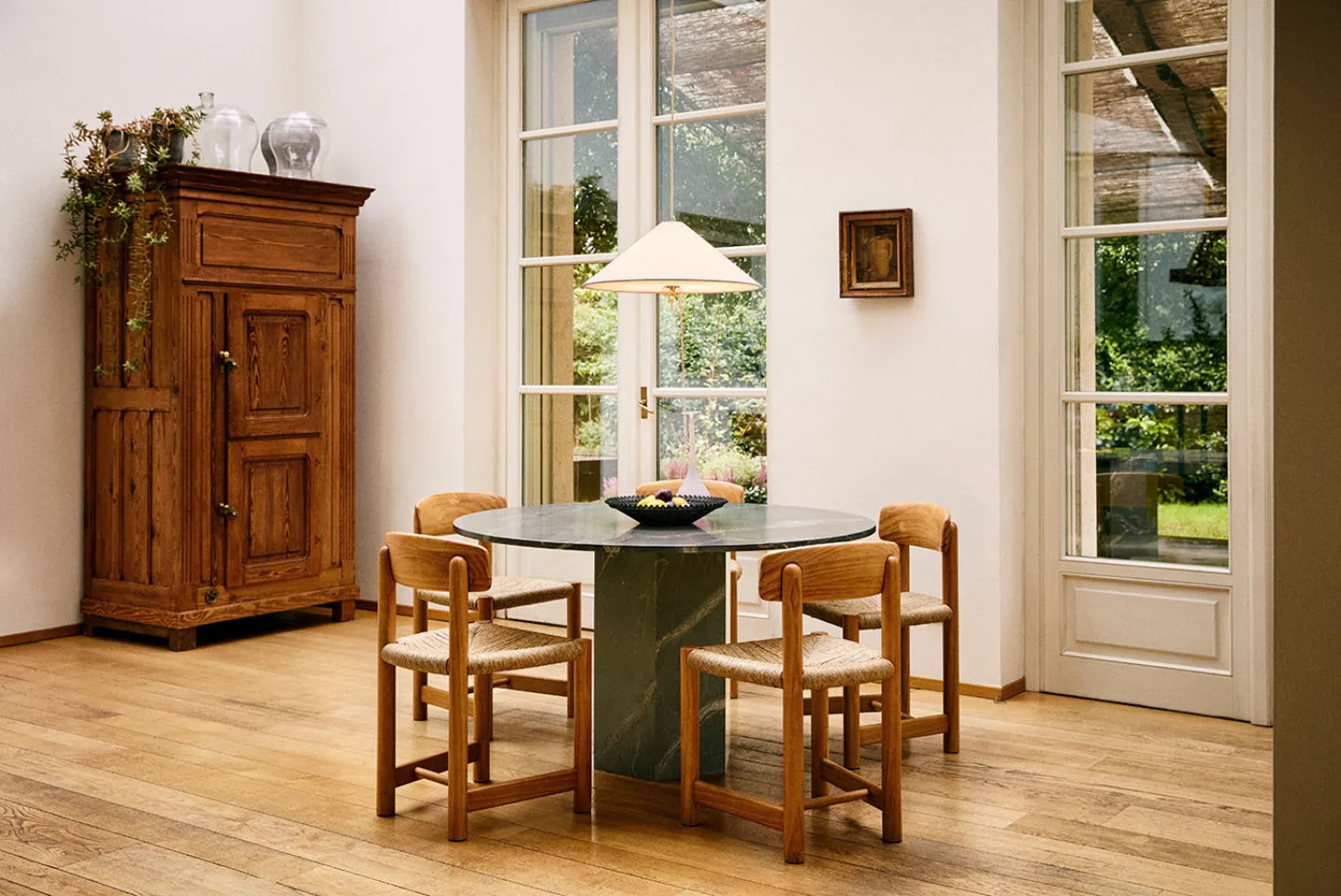
A simple but effective way would be through matching a colour in the fabric of an antique chair with a finish on a new storage unit. Vintage furniture can be used to great effect, whether it’s an antique market rug to add pattern to a neutral space or an inherited mid-century sideboard to add personality. Having a piece of history in your home showcases the value of quality and sometimes rarity of materials.
Have you noticed manufacturers designing furniture more with curving forms rather than straight lines?
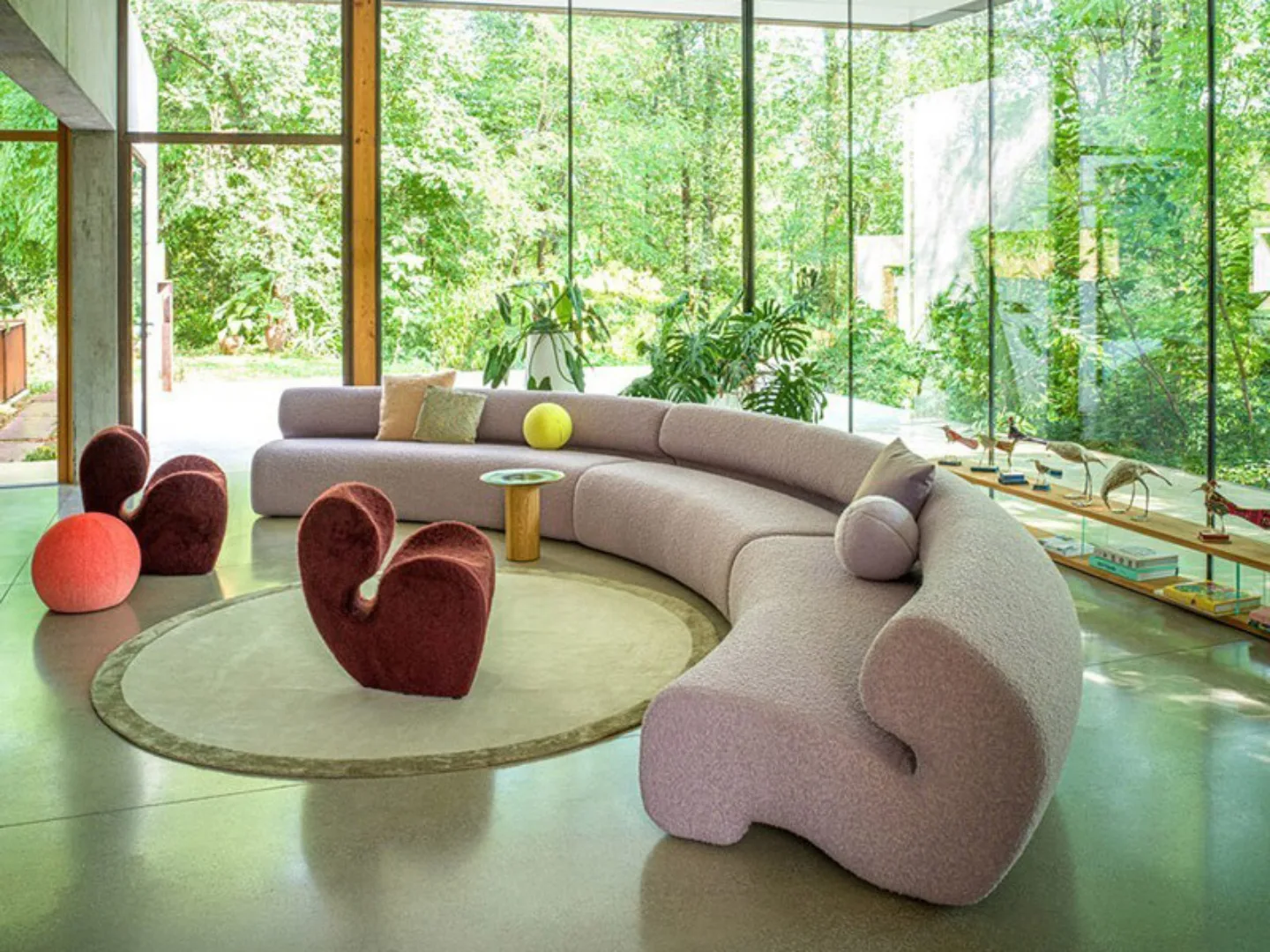
We have seen a lot of sculptural furniture designs recently with organic shapes. The manufacturer Moroso has become a favourite among the team because of their unconventional forms. A recent addition to their collection, the Gruuve sofa, has irregular and fluid lines which transform the conventional sofa into a work of art.
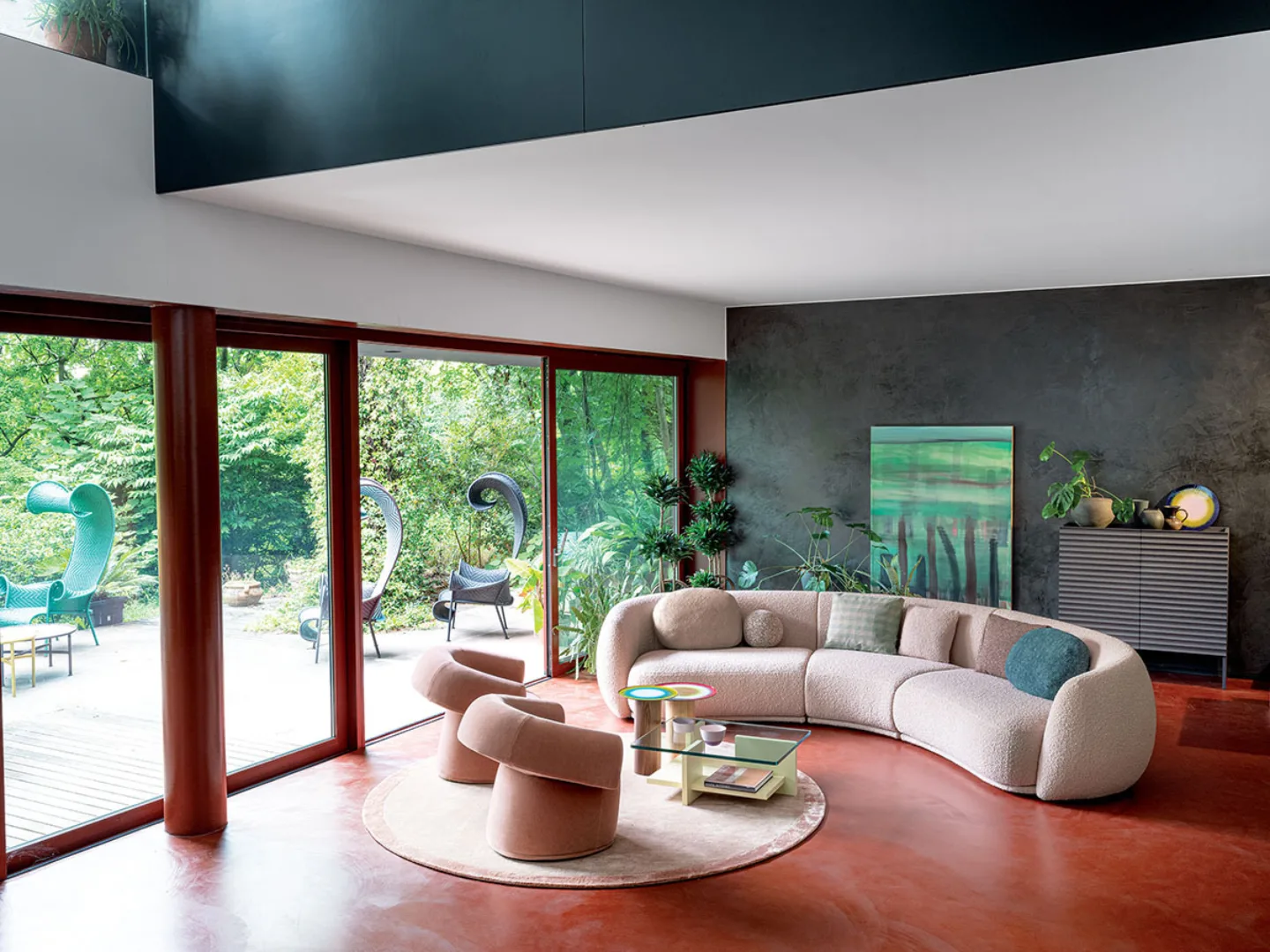
Curved or organic shaped furniture is particularly effective in softening an interior that is multi-directional or irregularly planned. Designed by Patricia Urquiola, Pacific envelopes not only the person but the space. Anchored with a rug, the sofa creates an island within a larger room.
An interior is not complete without lighting. Are there certain characteristics that your clients have been attracted to when selecting task or decorative lighting?
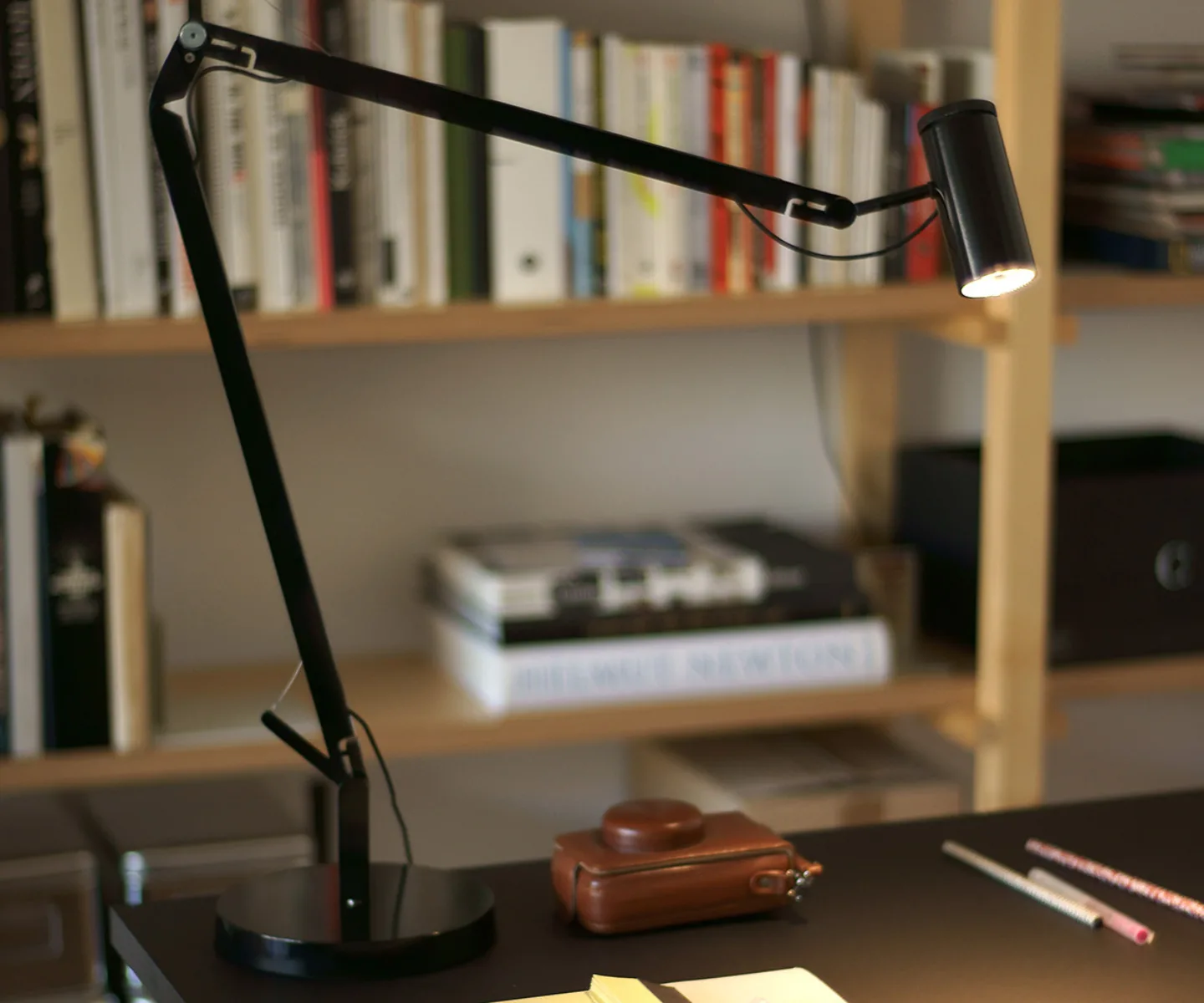
Clients usually want task lights to be downwards or directional, allowing the light to illuminate your work area. Polo from Marset stands out for the fluidity of its movements. Its thin, light structure can be fully folded, hardly taking up any space. It features a ball joint system for accurately aiming the light beam. The wheel switch in the head is integrated into the top of the diffuser and switches on and off when turned – a retro nod to the history of switches.
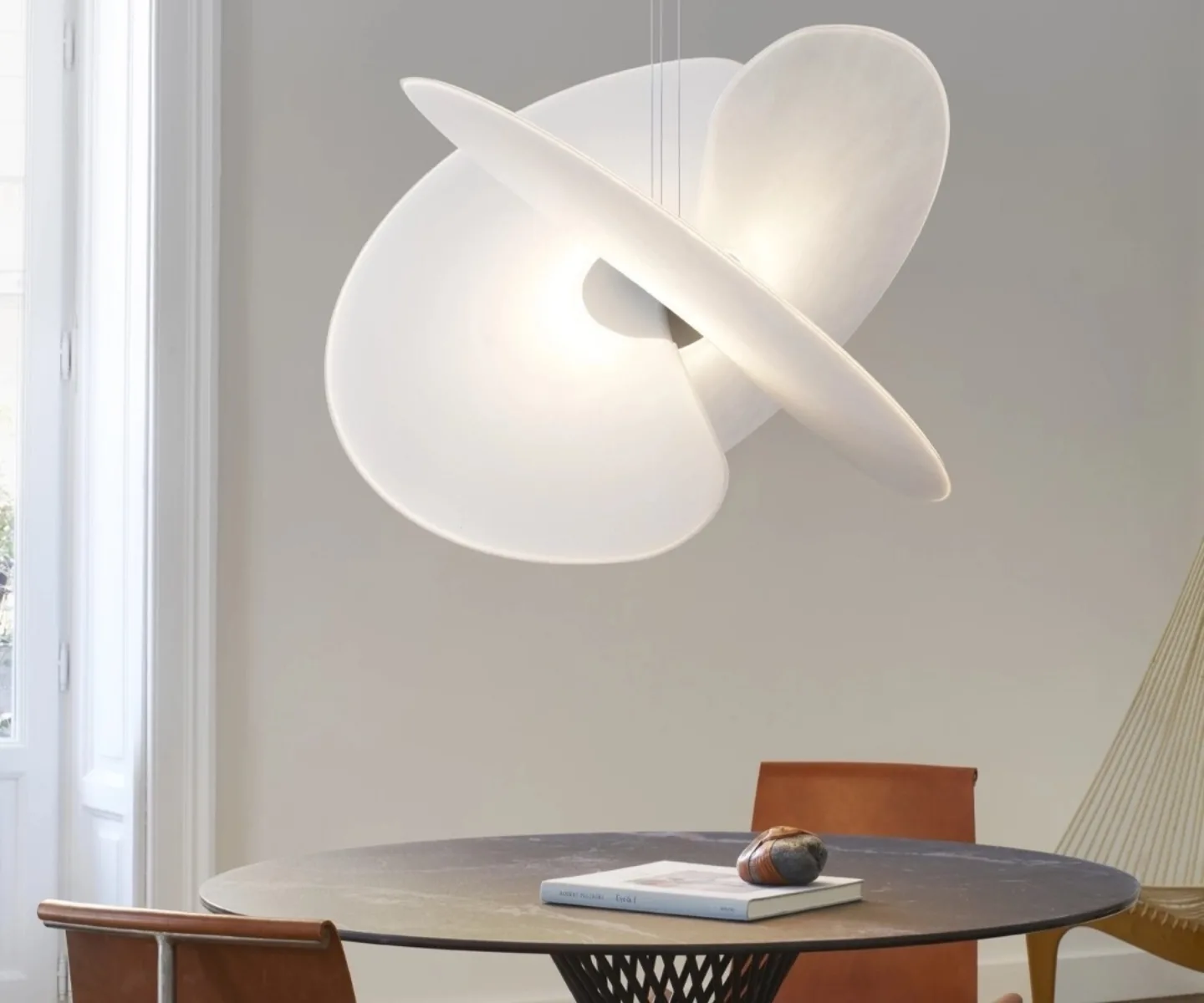
In contrast, when selecting decorative lighting clients are usually attracted to a fitting with diffused, soft light that can illuminate the whole room. The Levante suspension light from Luceplan consists of 3 intersection fans covered in a material which mimics rice paper, diffusing the light beautifully.
Whether you’re looking for that perfect piece of furniture to complete a room or starting a whole home project, we’d be delighted to assist you. Please get in touch with one of our interior designers. You can also explore more about what we do - across residential and commercial interior design projects - here.
0131 556 6551 / [email protected]