Creating Refined Living Spaces: A Contemporary Approach to Residential Interior Design
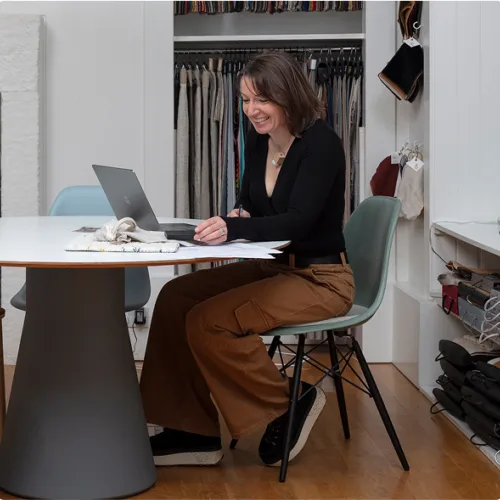
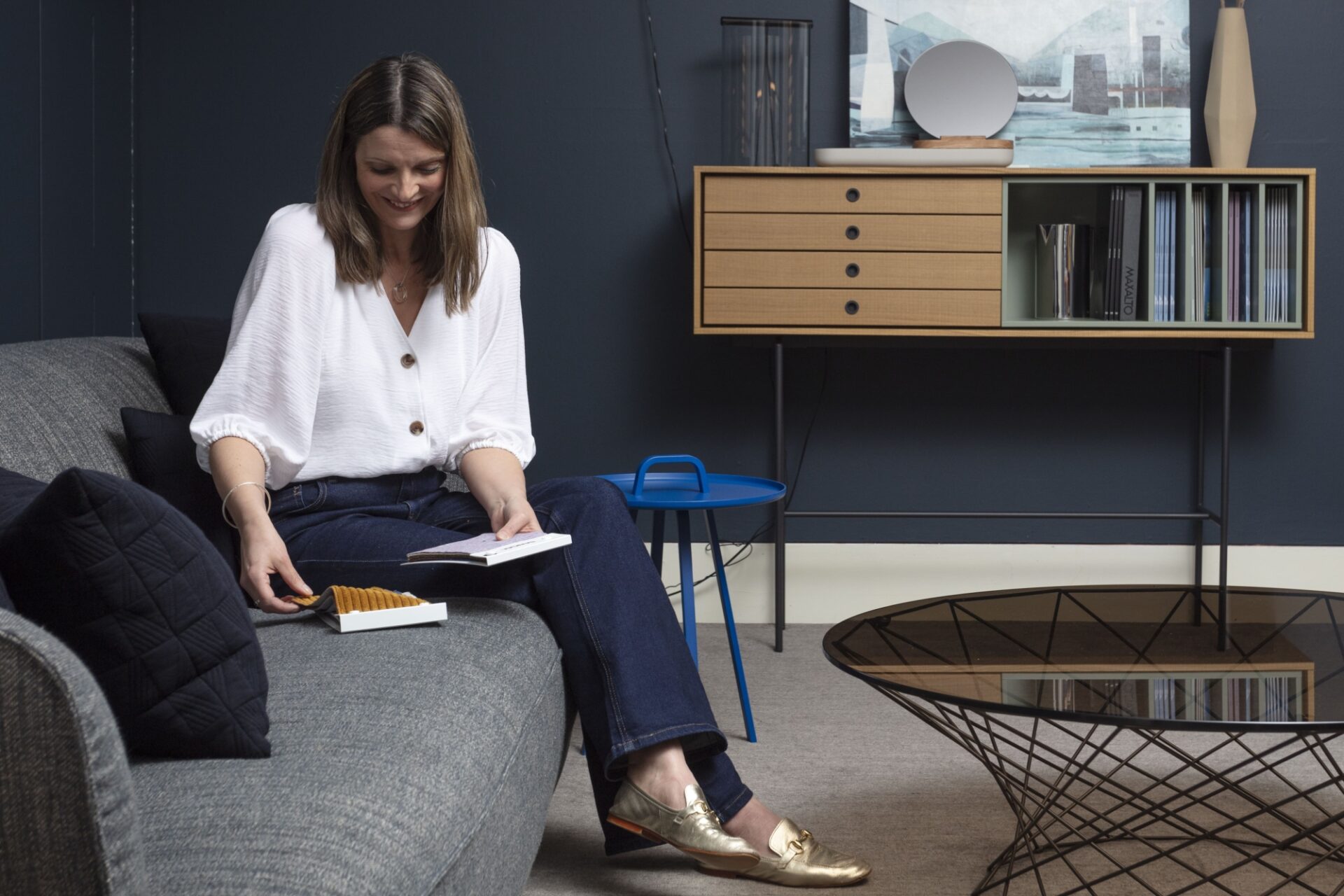
At Tangram, our approach to interior design is shaped by a small, highly specialist team - people who pair deep experience with an instinctive understanding of how thoughtful design can elevate daily living. Few embody this more than Joanne, who has been part of the studio for 22 years.
A qualified interior designer working from our showroom in Edinburgh, she joined Tangram in 2004 after beginning her career with Craig & Rose, and has since worked across an extraordinary range of residential interior design projects. Joanne’s strength lies in her ability to listen closely, translate ideas into considered solutions, and guide clients from a single product choice to the design of an entire home interior.
In this conversation, she reflects on her design journey, the principles that shape her work, and how the idea of ‘refined living’ continues to evolve.
To begin, could you tell us a little about your background and what first drew you to interior design?
I had quite a conventional route into interior design. I was very arty at school and loved craft, design, and making things, so when I started looking at university courses and thinking about a career, interior design felt like a natural fit. It played to my strengths. I ended up studying at Napier in Edinburgh.
Tell us about your current role?
I’m an interior designer primarily working on residential projects. I do take on some commercial interior design work as well, but my main focus is supporting our residential clients.
At Tangram, we work all over Scotland - including Edinburgh, Glasgow, Dundee - but in the last five years we’ve done a great deal more in the Scottish Highlands and Islands too, for both permanent homes and holiday properties.
How long have you been working in the industry, and how has your perspective evolved over that time?
I’ve been in the industry for 28 years, with 22 of those at Tangram. We’re a strong team. Many of us have been together a long time.
When I first started out in residential interior design, I worked for a paint company with a wallpaper and curtain showroom. Most of the work was domestic, but very decorative - the focus was on making things look attractive. What I do now is quite different. Today, the client sits at the centre. It’s much more about understanding how they live, how spaces need to function for them, and how the interior can support that.
Looking back, interiors also felt more fleeting then. People changed things every few years. Now, there’s a far greater emphasis on longevity.
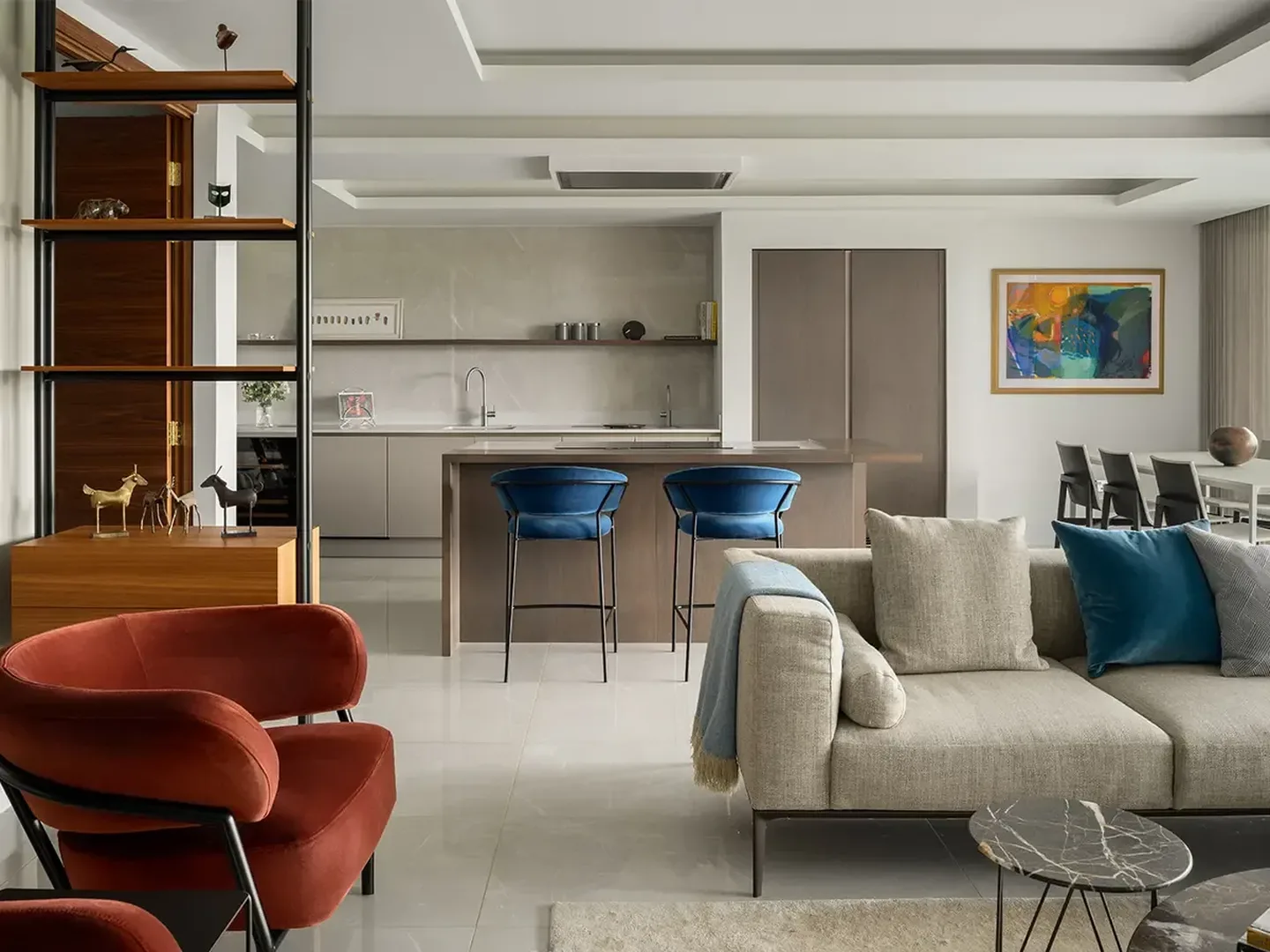
Are there particular influences - designers, trends, or experiences - that continue to inform your approach?
My biggest consideration when approaching a residential interior design project is always function. Understanding how clients live, what their lifestyle looks like, and what they genuinely need. Everything we do is centred around the person rather than what’s fashionable.
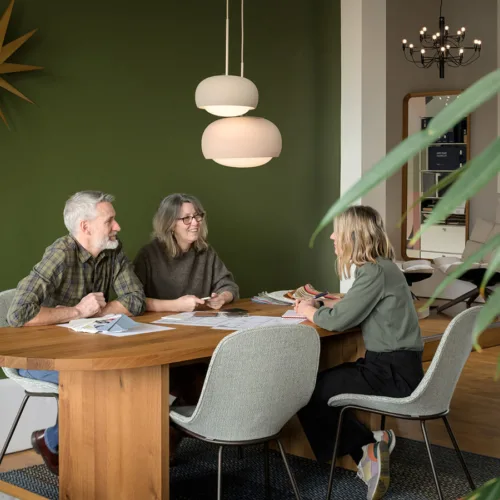
I’ve always felt that if you design with the client, rather than for them, the outcome is far stronger. When the process becomes collaborative, you arrive at a result that not only works for them day to day but also feels ‘right’.
When you think about “refined living,” what qualities or principles define that for you?
When I think about refined living, I think about quality, craftsmanship, and getting the details right - especially when it comes to product. It’s an approach that feels uncluttered but still warm. A word we use a lot is curated: selecting pieces thoughtfully so a home feels considered rather than crowded.
For me, refined living sits somewhere between comfort and minimalism.
How do you balance comfort and elegance in a contemporary home - where do those ideas meet?
When I think about comfort, I think of softness; when I think about elegance, I imagine something with clean, refined lines. Sometimes it’s the hidden detail in a product - the parts you don’t immediately see - that’s really where those two ideas meet.
Clever upholstery, for example, can make a piece incredibly comfortable while still giving it those fine, elegant qualities. Or the soft close of a drawer - a small detail, but one that adds a sense of quality. Fabrics play a part too, both in how they feel and how they sit. So often it’s those subtle, almost invisible elements that allow comfort and elegance to come together effortlessly.
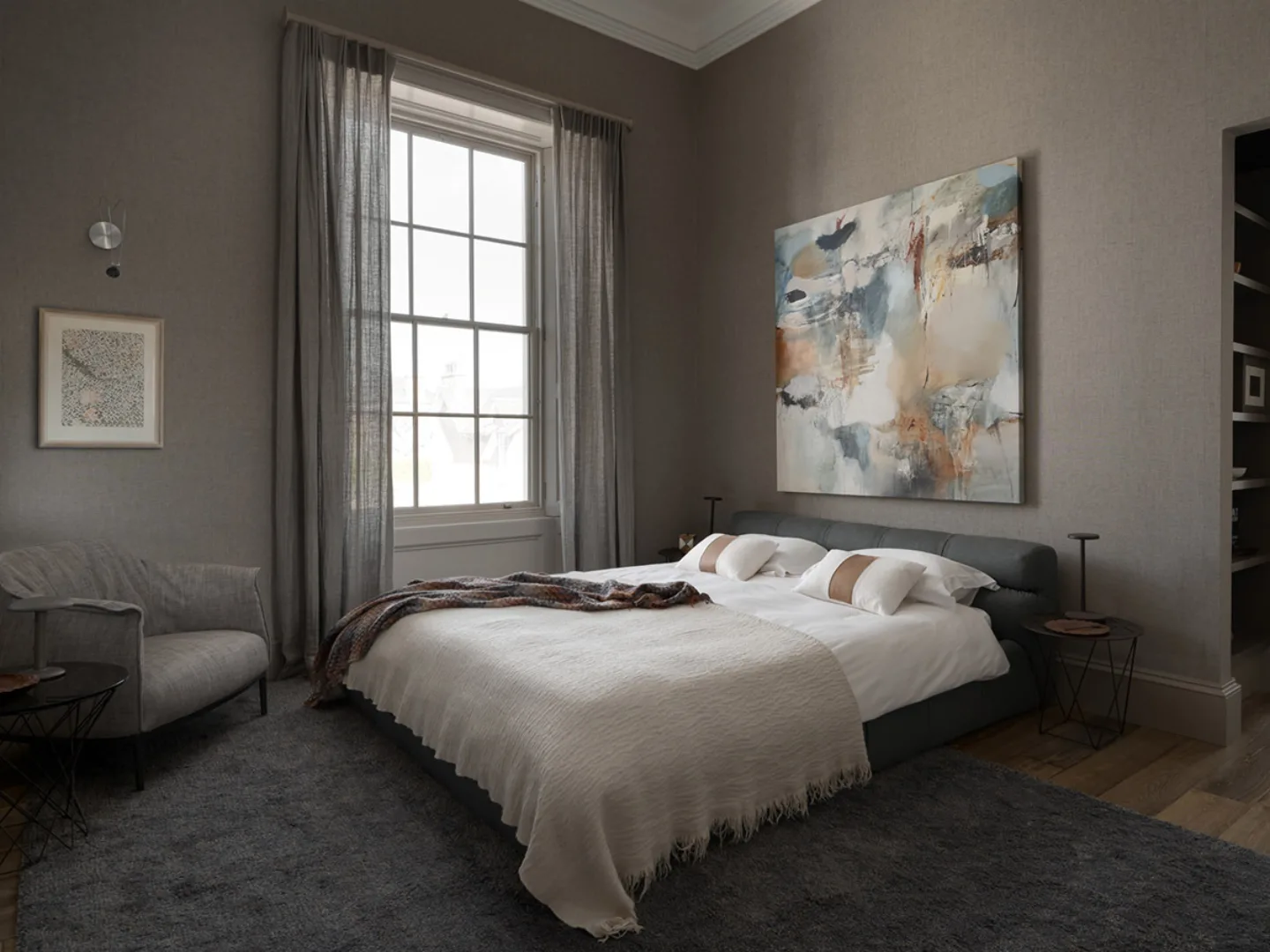
Which materials or finishes do you feel are resonating most in residential spaces right now, and why?
Natural materials, absolutely - timber, stone, marble, linen, wools. Clients are definitely thinking more about sustainability, and there’s more focus on the life cycle of a product.
At Tangram we often talk about heirloom pieces. Things clients buy, live with for years, and eventually hand down through generations. If you’ve got a well-made product crafted from beautiful natural materials, it will last. It’s about moving away from disposable things.
We recently visited one of our Italian manufacturers, Poltrona Frau, where all the staff in their workshop are described as artisans. It was amazing to see - true craftsmanship, with each piece being really specialist.
Light - both natural and architectural - shapes how we live. What’s your approach when it comes to lighting a refined home?
For a residential interior design project, I always look at layers of lighting. You need ambient background lighting, task and functional lighting, and then feature lighting - where you want to draw the eye to something specific - like picture lighting, for example. One layer sets the mood, another creates function, and when the lighting is flexible, that’s when you can really add depth to a space.
Another conversation we’re having a lot just now is about how clients want to control the lighting in their home. Many people have home-control systems, and it raises questions like: do you want to press one button and change the entire mood? Different clients take different approaches - some love that level of control, and some still prefer a simple wall switch.
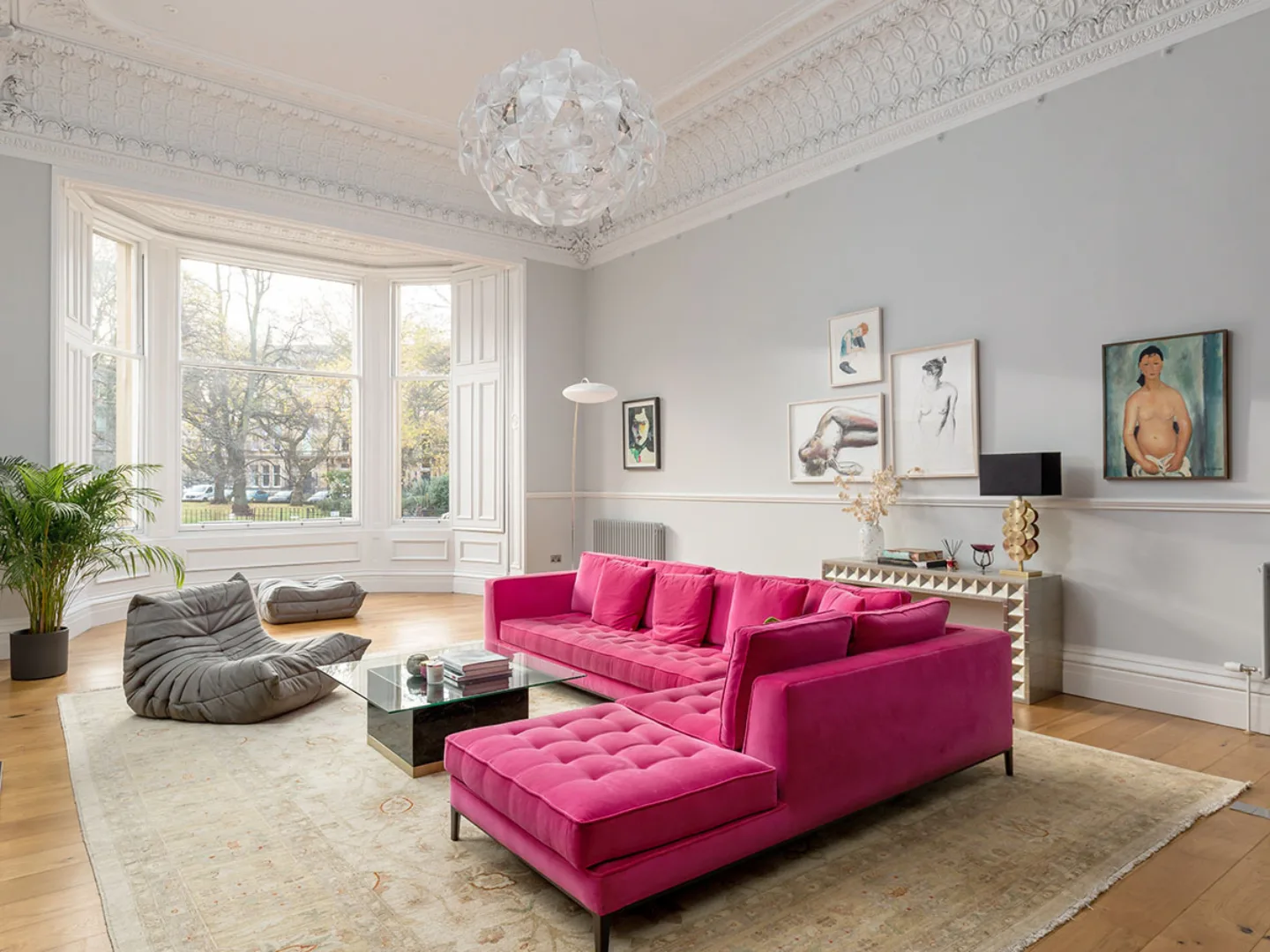
Is there a recent residential interior design project where a specific design decision meaningfully shifted the character of a space?
We recently worked on the interior of a penthouse in Edinburgh. It is a beautiful apartment with the most amazing views, spread over several floors, we were dealing with the top floor. They’d always had a sofa that faced away from the view and into the room, so the whole focus of the space felt internal rather than towards the view.
We replaced it with a sofa called Prado from Ligne Roset, which allowed us to create an island. It has movable backs, so you can sit on all sides - you can be part of the conversation into the room, or sit on the other side and enjoy the views. It has hugely changed the space. A real statement piece, but with functionality at its heart. It’s not ‘design for the sake of design’ - it genuinely transformed the atmosphere. Again, it comes back to function - it’s doing all the things I like a piece of furniture to do.
From your perspective, how is contemporary residential interior design evolving, and what do you think clients are seeking more of in their homes?
Clients are looking for quality, and sustainability. Functionality plays a big part. We’re seeing far more integrated home-control systems, and that naturally influences the type of products we put forward.
If you look back 15 or 20 years, contemporary design was very minimal - quite cool, almost cold. Now we take a warm minimal approach. Clients still want simplicity, but with comfort and texture.
Finally, what small, thoughtful detail do you believe makes the greatest difference in how a home feels to live in?
Again, I think it’s probably lighting in a home. You can have a beautiful interior, but if it’s badly lit, it completely changes how it feels - and vice versa. Even a simple, understated space can feel wonderful if the mood lighting is right.
If you’re beginning a new project or simply looking for the right piece to complete a space, we’d be delighted to help. You can also explore more about what we do - across residential and commercial interior design projects - here.
0131 556 6551 / [email protected]