Approaching Commercial Interior Design Projects: A Conversation with Sarah Ramsay
At Tangram, commercial interior design is shaped by experience - an understanding of how commercial spaces function, how they feel, and how they evolve over time. With more than two decades at the company, Managing Director Sarah Ramsay brings a depth of knowledge that spans every aspect of the business, from the showroom floor to leading complex, multi-layered projects.
Based at Tangram’s showroom in Edinburgh, Sarah is now focused on guiding the team and supporting the continued growth of the studio, while remaining closely involved in the design process for both commercial and residential interior projects.
In this conversation, Sarah reflects on how commercial interiors have changed, the importance of collaboration, and why clarity, craftsmanship and careful consideration continue to shape Tangram’s approach to creating spaces that truly work.
You’ve spent over two decades at Tangram - how has your perspective on commercial interior design shifted over that time?
That’s an interesting one. I started with absolutely no knowledge - my background was actually in textiles. When I joined Tangram, I began in the showroom, and everything I know has really been learnt along the way. Over the past 28 years, that skill, awareness and experience has built gradually.
In that time, commercial interiors - such as offices, retail spaces, hotels or museums - have had to evolve to meet very different expectations. It’s been interesting to see that shift. Where offices were once driven purely by function, they now need to offer much more, with a greater emphasis on comfort and wellbeing.
Commercial spaces often carry multiple layers of expectation - from expressing brand identity to functionality and longevity. How do you begin to balance these?
I think first off, longevity is in our DNA. Everything we supply and do has quality, well-made products at the heart of it.
Function is also really important. Everything that happens in a commercial environment should feel easy, without the people that use the space necessarily thinking about it. You should be able to have everything ready to hand, and it should just work. I think that’s really, really important, and always a strong starting point.
And then the brand dictates so much. It’s so important that it reflects the client’s values - the space has to feel authentic, and the client’s personality should come through.
At Tangram, there’s a strong emphasis on furniture, materials and craftsmanship. How does this shape your approach to a commercial interior design project?
The craftsmanship element of what we do is really important, in that the products we’re supplying have all had an element of handcraftsmanship put into them. We’re not selling commodity furniture - everything has been touched by hand, products go through a process that involves human skill and judgment and the people creating these products are proud of what they do. This is important in some projects more than others but the quality and crafted nature of the furniture is intrinsic in everything we do and every project we work on.
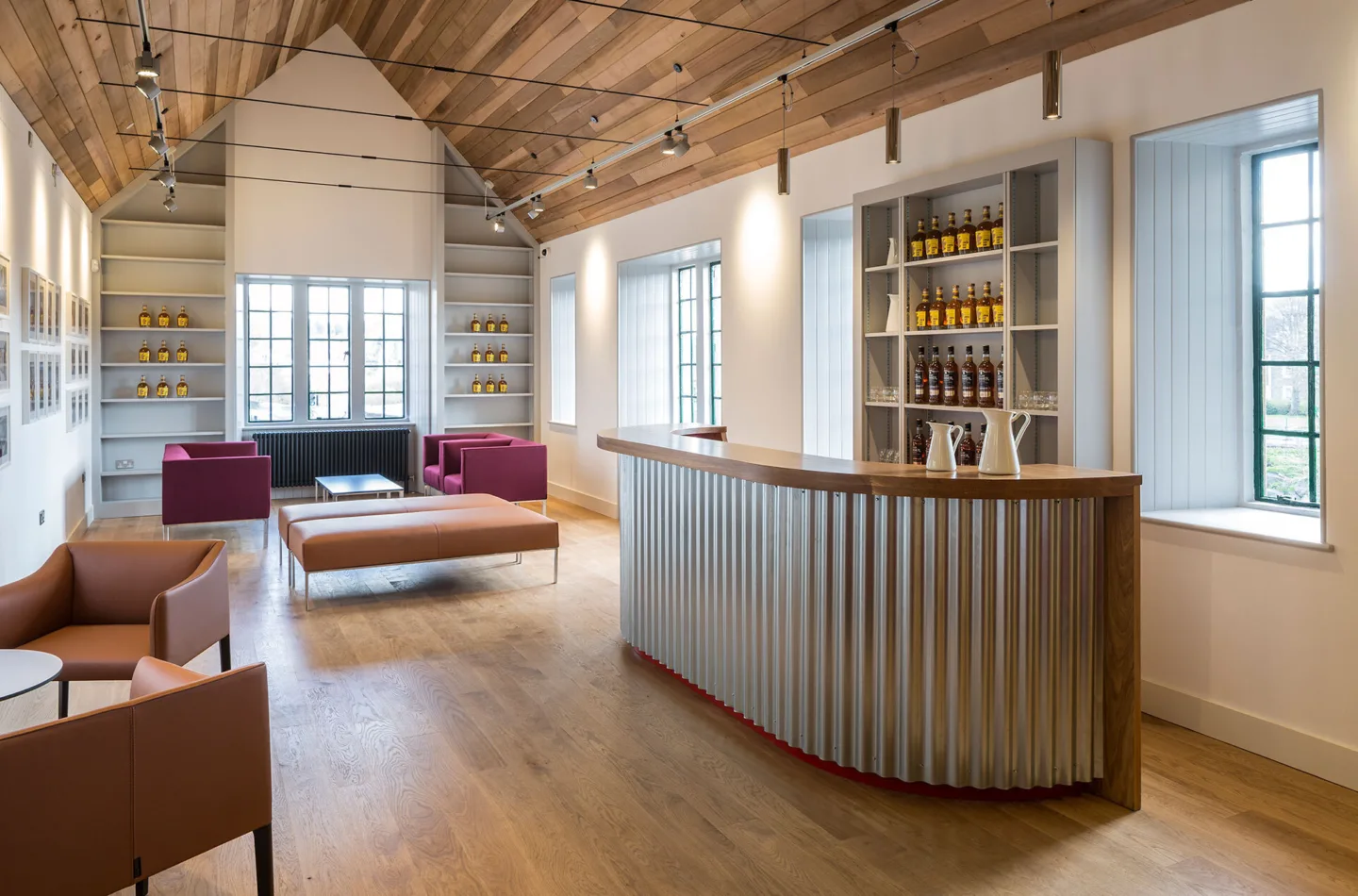
How do you approach collaboration with architects and wider design teams on commercial projects? What does a successful partnership look like to you?
I think collaboration in a commercial interior design project is essential - whether that’s directly with a client or with a wider team that can include architects, contractors and others. Strong communication is something we establish early on. We need to understand what’s happening and be involved at every stage. Being part of those early stages makes for the most successful commercial projects, because things simply aren’t missed.
When thinking about a successful partnership, taking all viewpoints and distilling them down to what’s most important is really key. You can have a lot of stakeholders in a commercial project, but ultimately we have to reach the best result for the client. Everyone involved brings their own skill set, and it’s about bringing all of that together - working within individual parameters, but collaboratively and with a strong sense of connection - to achieve the best outcome.
What role does furniture play in shaping the experience of a commercial space?
I think furniture is very much the thing that people interact with. It’s what they’re sitting on, what they’re touching - so the materiality and tactility of it is really important.
Comfort and colour are things people notice in a very immediate way. That’s what they see and interact with. It’s what they’re using day to day, and while they may not always notice a beautiful piece of architecture - simply because it’s not their focus - they will absolutely know if the chair they’re sitting in is comfortable and if it works for them.
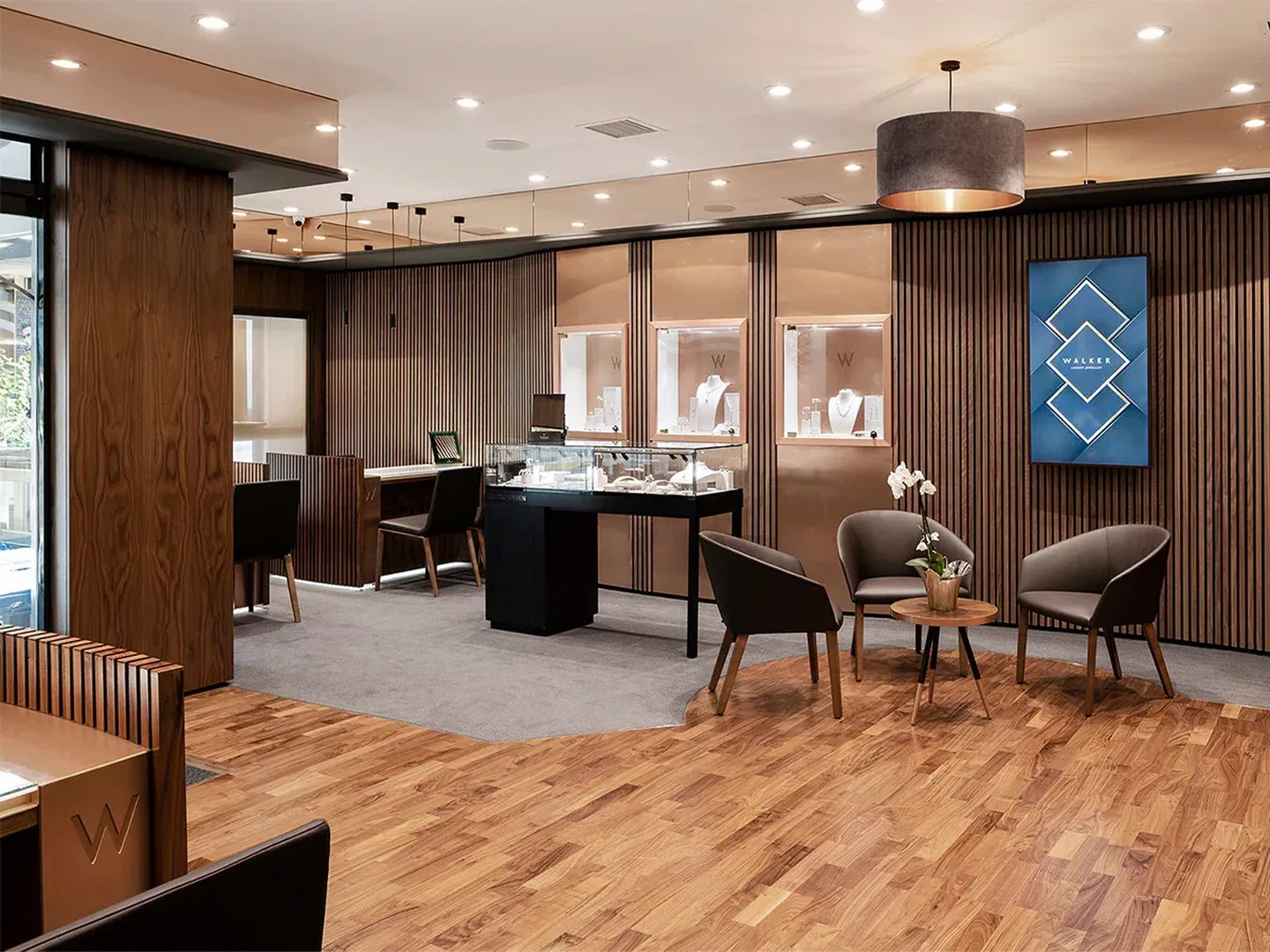
How do you ensure that a commercial space expresses character and identity, whilst remaining functional?
The basics have to be right and need to work. You’ve always got those fundamental blocks of use and how a space functions - the flow of the spaces, the ease of working and the different roles within it.
Then the character and company identity come in, and that’s where you can be more playful, a bit more experimental or experiential, and add value in that way. But fundamentally, the basics have to be right before you go too far into the more creative side.
Can you speak to the importance of detail and the decisions that may not be immediately visible but define the overall quality of a space?
I think detail can be many things. It can be the shape of a wall detail or a finish, the tactility of the arm of a chair, or the feel of a table surface. All of these small details build up to create layers, and it’s the way those layers interact that really matters.
It’s about how everything flows and functions for the person within the space - without thought, and without them necessarily being aware of how easy it is. That’s often the difference between something feeling simply okay and something feeling exceptional, and it almost always comes down to the detailing.
In architecture, it might be the beauty of a junction or the way spaces connect so thoughtfully. That same thinking carries through to the shapes of tables, the relationship between chairs and tables, and even the surfaces people walk across. It's all of these tiny details that all add together to make a successful project.
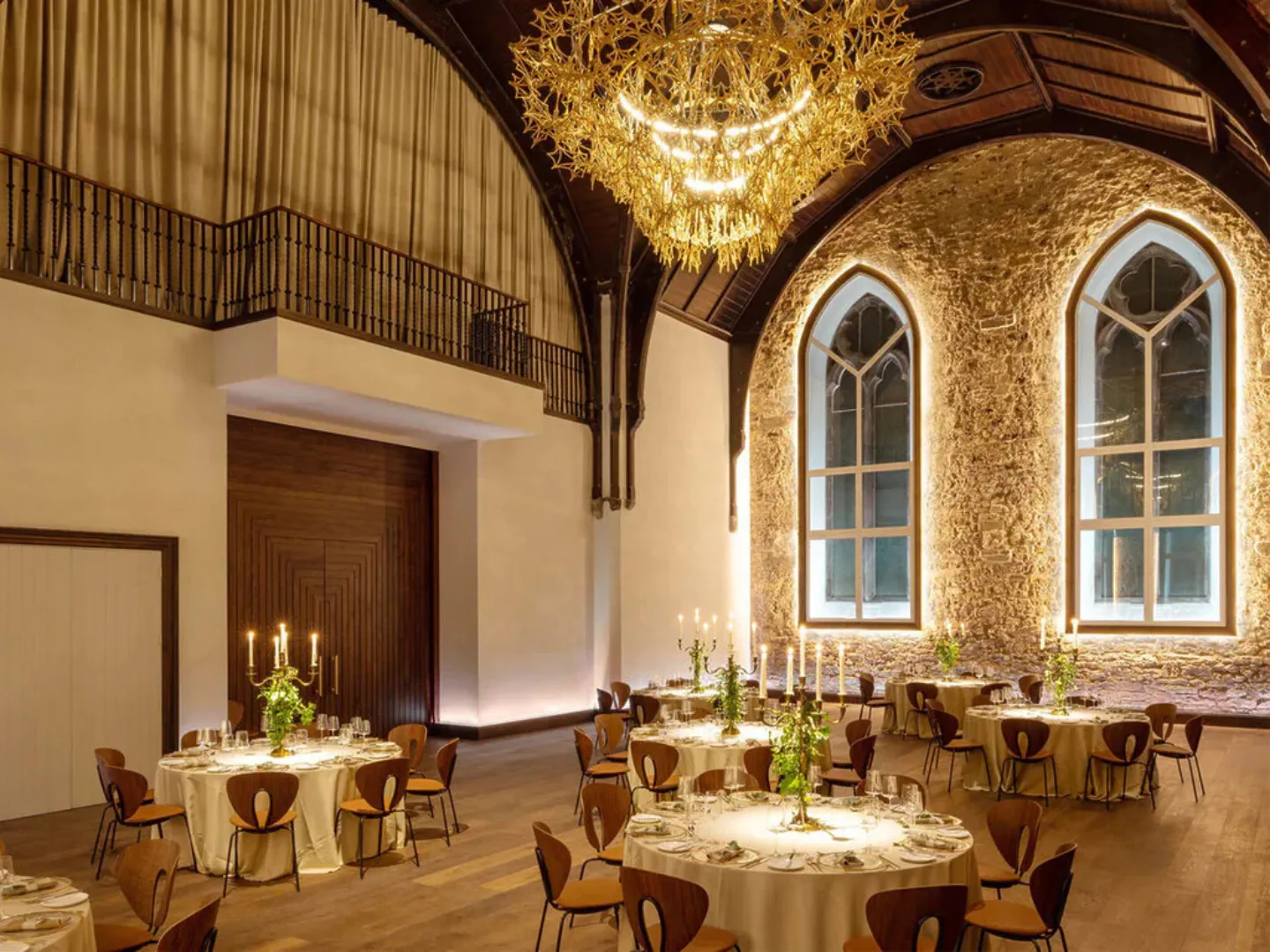
Looking ahead, how do you see the needs of commercial interiors evolving?
I think they are continually evolving, as every project is, really. Wellness is definitely key - particularly in office environments - both physical and mental. Businesses want that to be a real focus, to help boost productivity and reduce stress. So I think there will continue to be a strong emphasis on creating quiet spaces, and a sense of comfort and softness. That more residential feel, which has been around for a while, isn’t going anywhere - almost a hospitality element, particularly within office spaces.
More generally, technology will continue to play a big role. It’s constantly developing, and being able to integrate that seamlessly into commercial spaces will keep driving change. Alongside that, we’re seeing a growing need for flexibility - more and more clients are looking for configurable spaces, as the way people use environments continues to shift. Furniture and layouts need to be adaptable, and that’s something we’re seeing across many projects.
And then sustainability. That almost goes without saying now. It’s something everyone needs to be thinking about. We work with many manufacturers who are deeply focused on this, and can trace every element of a product, right down to its individual components. That level of transparency is becoming increasingly important.
If you’re beginning a new commercial interior project or simply looking for the right piece to complete a space, we’d be delighted to help. You can also explore more about what we do — across residential and commercial interior design projects - here.
0131 556 6551 / [email protected]